I’ve been thinking a lot about how men are socialized – in particular, how young boys are taught how to be men. If you’ve read anything I have written, I think that most of it is incredibly toxic and damaging to the boys concerned. These ideas of masculinity lead these boys to grow up into emotionally closed-off men, who see anything designated as ‘feminine’ as an affront to their masculinity.
That hasn’t exactly made me the most popular dinner guest. But it’s something I truly believe.
I do believe that men need to be less afraid of emotion. I do believe that there is a connection between these ideas of masculinity and why men commit violence against people they perceive to be “weaker”, including women, children, and sexual minorities. I do believe that challenging toxic masculinity (you knew you’d see this term) is the key to creating a less violent society.
What I am about to write is not a rebuttal of those thoughts. It isn’t even a critique of it. It’s more an addition. I’m adding to what I already believe.
I believe that men are suffering. This isn’t a comparative exercise, so this isn’t comparing men’s experiences to women’s experiences. Yes, men do enjoy a sense of physical ease relative to women (which, of course, does not mean that men are always safe in every instance). But also, yes, men are suffering.
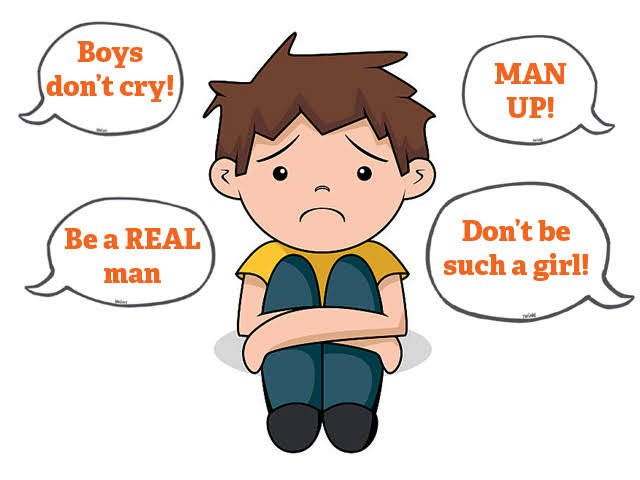
The worst part is that this suffering comes from within their own camp. It is taught. It is passed down from generation to generation. To be a “real man”, one must [insert an asinine activity that means nothing at the end of the day], young boys are told. Society hands them a bunch of rules and regulations that stunt their emotional maturity, and says that this is what being a man is.
To be fair, society doesn’t do this out of malice. One can only teach what one knows. They teach what they have learnt from their own experiences as children and young adults. And from there on, one can see the barrage of emotional stunting and disregard for others that is promoted by a patriarchal (there the term is) society.
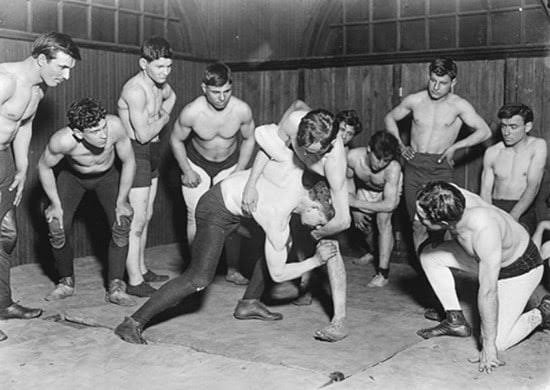
Boys, taught by older men and women that manhood equates to toughness and sexual conquest, grow up to be men who embody toughness and sexual conquest. They marry women who were taught that manhood equates to toughness and sexual conquest. They bear sons, and teach those young boys that manhood equates to toughness and sexual conquest. The cycle goes on.
What’s missing? How to resolve conflicts. How to listen to others. How to care for others. How to communicate openly and freely. How to show affection to somebody who is not your mother or sexual partner. How to live with people who are different to you. How to say “I love you” in a non-romantic context. How to have hard conversations without hostility. How to be free to express sadness without turning it into anger. How to express boundaries without humiliation. And so much more.
For generations now, men have not been afforded the right to fully enjoy the pleasures of being human. Instead, they are taught that dominance is the best way to portray their humanity. And that becomes the tool which men use to solve every problem.
You don’t understand how a man can love another man? Dominate them into suppressing their urges. You feel like your partner does not listen to you? Dominate her until she listens. Your child is acting out? Dominate them until they behave. Dominate, dominate, dominate.
This is how prejudice and discrimination becomes pervasive. Men don’t know how to deal with a situation, and so they use dominance to frame themselves as superior and the Other as inferior. That is the language they have been taught. That is the language that they understand.
That is why, in South Africa, violence begets more violence. An insecure man practices dominance in his home and at his workplace. His colleagues feel demeaned, and they practise dominance towards their subordinates and in their households. Their children feel demeaned, and they practise dominance towards other children. Violence all the way down.
That is at the heart of why the dominant-submissive structure is problematic. Even when the structure does not have explicit physical violence, it is still violent because one person exerts their power over the other person. It is structurally violent. It is institutionally violent.
The saddest part? The person designated as “dominant” in one context is almost always “submissive” in another context. That knowledge, and the self-loathing that results from that, always manifests itself in their status as “dominant.”
For instance, if society treats me like a pariah because I’m a poor black man; if I am constantly shouted at by my employer while doing a job I dislike in a toxic working environment; if I go to the shops and I experience racism; if I feel totally powerless to change all of this – then I am going to find a place where I am king. I am going to dominate over a certain place – likely my home – and I am going to take my frustrations out on them, acting in the very ways that society acts towards me.
And because I cannot reach out to anybody and say that I am going through pain, I will teach those who I “lord over” that this is what being the head of a household looks like. Because talking about my feelings was always derided as “womanly”, and therefore separate from who I identify as, I will continue to torture the people around me. Not intentionally, not out of spite, but because this is all I know.
That is a painful existence, no matter how you look at it.
When you look at the only positive that results from this (that because you have placed yourself into this prison of not feeling, only you can take yourself out), you begin to see many things that prove that assertion to be very shortsighted.
How do you divest from an idea that has been encoded to you from your first breath? How do you honestly begin to change your entire worldview, shaped by your family, your workplace, the media, and almost every place you exist in? It’s hard to change in that setting. It’s even harder when that setting shows you, everyday, that your fate will be much worse if you take the road less travelled.
In five words, it’s hard to leave patriarchy. As much as it is a prison, it is a prison of privileges and comforts. It is comfortable and safe. Divesting from that; saying you want out is tantamount to reverting from the spacious house connected to Victor Verster Prison to being thrown out onto the street with not a cent to your name. You’re free, but worse off than you were before, in a social sense.

You’ll be called “sensitive”. You’ll be called “soft”. You’ll be called “weak”. It will be said that you have been corrupted by feminists. It will be said that you have been “turned gay” by “the gay agenda”. You will be derided and insulted on a far greater level if you decide that you are a man who wants to feel.
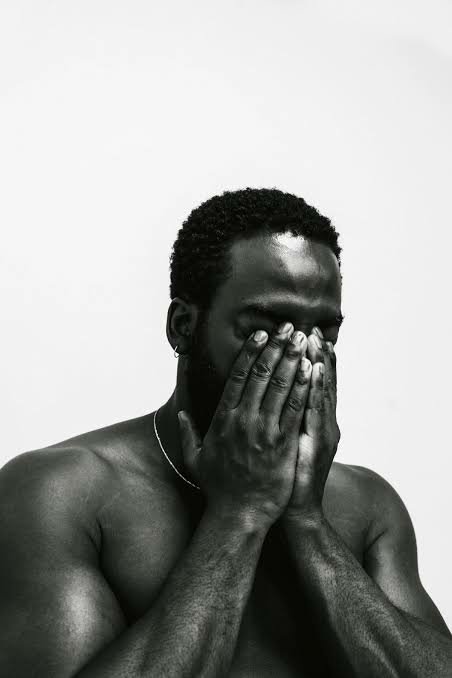
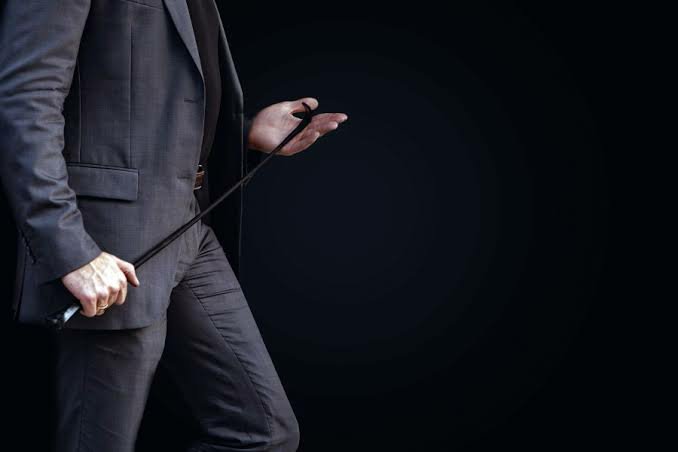
Describing a man as “sensitive” is not a neutral term in the world we live in. It’s often an insult, designed to keep men in line with the dominance model that they have been taught to portray. It’s the equivalent of using a stick to keep a donkey in line. It’s the horse jockey’s whip. It’s a punishment that serves to take away the one thing that is said to mark manhood: his dominance.
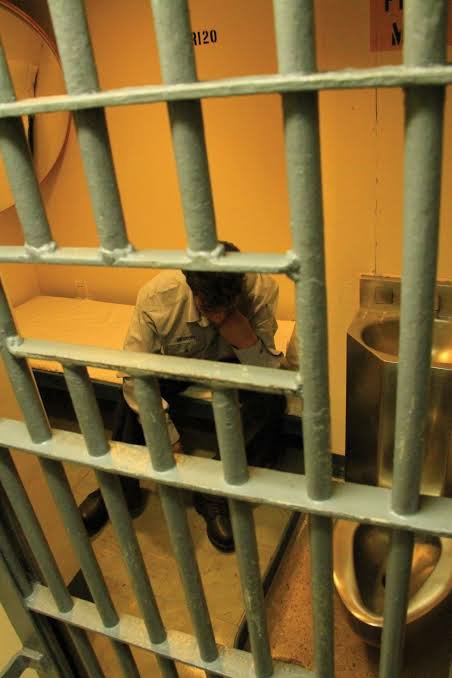
So yes, men breaking away from toxic masculinity is not easy. But neither is staying in prison. No matter how lavish or comfortable a prison is, you’re still locked up.
The question becomes – what does a man decide? Does he live with what he’s always known, or does he explore other avenues of being a human being? Does he carry on living in the throes of toxic masculinity, or does he do the work of constructing a better masculinity?
Does he stay in prison, or does he decide to open the jail cell and walk out?
 wiseMusings
Leave a comment