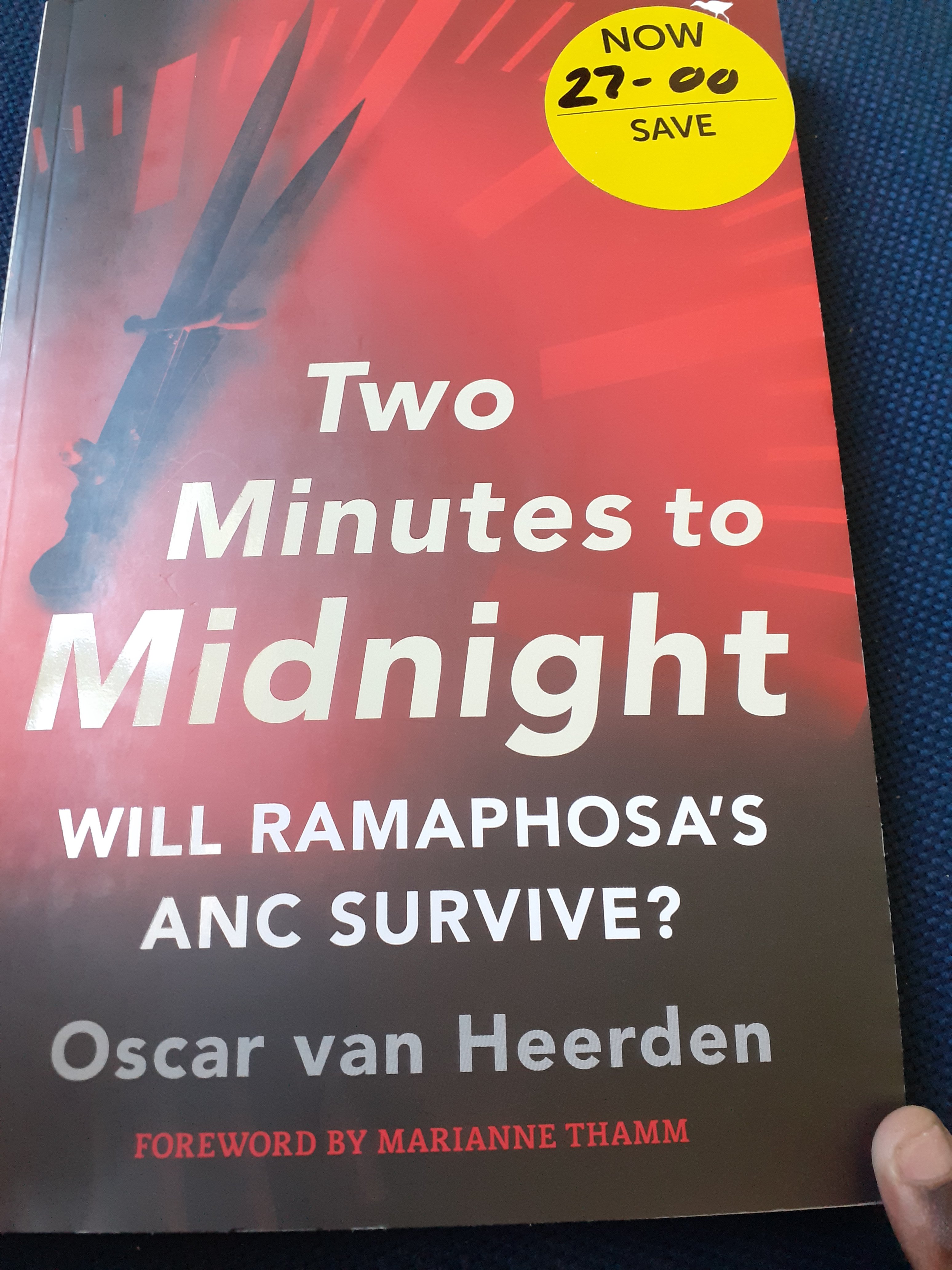
I’ve been reading TWO MINUTES TO MIDNIGHT, a book by African National Congress (ANC) intellectual Oscar van Heerden. In the book, van Heerden promises to lift the curtain on major events within the ANC, particularly the 54th national executive conference in 2017 (from the run-up to the aftermath).
Van Heerden isn’t a neutral narrator, though. He proudly declares himself a supporter of President Cyril Ramaphosa, having backed him going into Nasrec, even as NDZ supporters, en route to Nasrec, were laughing in his face for probably backing the wrong horse thrice in a row (other Comrade Oscar candidates of choice were Thabo Mbeki in Polokwane, and Kgalema Motlhanthe in Mangaung).
As we now know, that did not come to be. Ramaphosa ended up winning the ANC presidency, and would become state president a few weeks later when former President Jacob Zuma stepped down. This was all much to the delight of one Oscar van Heerden.
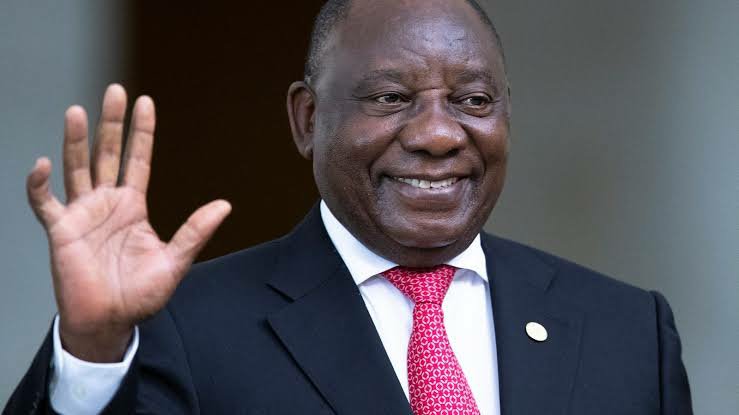
This bias is not intrinsically a bad thing. In fact, it could add complexity and moral stakes to an otherwise dry exposition on boring party processes. But bias becomes a poisoned chalice for van Heerden, in that he constructs a narrative of Cyril Ramaphosa that exists only in his, and other Thuma Mina adherents’, minds.
Sadly, the book ends up becoming an apologia for Cyril Ramaphosa and the ANC. Knowing my personal politics, it is safe (and correct) to assume that defenses of a highly ineffective president who happens to lead an ethically rotten political party aren’t books I would usually find pleasurable.
Nonetheless, I decided to read, and judge, the book for what it was rather than what it promised to be. The book was an attempt to sell Cyril Ramaphosa as the saviour of the ANC, and the only man to bring the party back to its former glory.
With that incredibly high bar to clear, could van Heerden do so?

For me, the answer was no. Firstly, van Heerden resorts to the kind of media framing I have criticized heavily in the past: casting Ramaphosa and his faction as absolute angels, while casting the Zuma faction as villains of the highest order. Sure, personally there is a greater and lesser evil between the two camps.
But guess what? “The lesser evil” is still evil.
And van Heerden was extremely (though unexpectedly) honest about the extent to which this evil can manifest itself in ANC presidential campaigns. In a chapter entitled “THE ART OF LOBBYING”, van Heerden takes us through the process of how delegates decide to vote for one candidate over the other. In comrade Oscar’s own words in page 88, “[y]es, some delegates receive cash in their hands at conference and it’s often referred to as a stipend, or they’ll be guaranteed that their broken car back home will be fixed, or perhaps the cost of their child’s school fees will be settled, or that debt with the local loan shark will now finally be sorted.”
Interestingly, he does not absolve the CR17 campaign from having lobbied in this way. It seemed like an implicit shrug of the shoulders, as if to exclaim, “hey, we were up against pure evil, so we did what we had to do, okay?!”
Van Heerden also waxes lyrical about David Mabuza’s alleged political prowess in having swerved the Nkosazana Dlamini-Zuma (NDZ) faction at the eleventh hour (or as the title of the book would put it, at two minutes to midnight) to give Ramaphosa the win. While van Heerden admits that this act was purely motivated to guarantee the deputy presidency rather than any intrinsic faith in Cyril’s abilities, it does not seem to bother the PhD holder from Cambridge University that political opportunism – and possible financial kickbacks – were what ushered in the “good guys”. This gives us an interesting perspective into not only van Heerden’s psyche, but also the moral fibre of the organisation he figures is worth saving.
The rest of the book is more of the simplistic good-versus-evil narrative. Zuma is “the karaoke singer”, Ramaphosa is “the sensible chief executive.” Zuma bad, Ramaphosa good. It’s not a tricky formula to follow. On page 138, there is a funny bit where van Heerden notes how Ramaphosa “had served under President Zuma with diligence and commitment as his deputy, and had served his party with distinction.” As if silently standing by as the president of your organization brings it into disrepute should be something the then-Deputy President can be proud of.
And how does van Heerden respond to claims that Ramaphosa’s interests lie with wealthy white businessmen? Oh, that’s just “counter revolution cloaked in revolutionary garb.” Funnily enough, it was van Heerden himself who almost had a panic attack when the clubhouse of the De Beers golf estate was used as the war room for the CR17 campaign, in page 71. But hey, let’s not dirty this narrative with silly inconsistencies.
Ultimately, van Heerden’s apologia for Ramaphosa’s presidency seems forced, manufactured, and not a true reflection either of the president’s capabilities nor his ethical commitment. Like I said earlier, this is a critique I hand to the South African media at large in their coverage of President Cyril Ramaphosa.
Their attempts to exonerate him of any wrongdoing of any sort damages him in the long run. He either looks like a modern-day Machiavelli who has the media in his back pocket, or as an incompetent buffoon who needs to be treated by kid gloves because he’s not Jacob Zuma and that’s the real relief. This book falls into the exact same trap.
If you do not fall for the spin that van Heerden is selling you, then you’ll probably end up seeing Ramaphosa in one of those two ways. And not only is that an indictment for both van Heerden and the media for being too softhanded in their analyses, it is also unfortunate for an intellectual of van Heerden’s stature to resort to authoring a written version of “preaching to the choir”. Nobody who isn’t already a fervent Cyril Ramaphosa fan will find much value in the book.
So, my verdict?
If you’re politically inclined and are looking for an interesting pageturner, this is not the book for you. I do not recommend this book, except as an Exhibit A on what the Ramaphorians say to each other over lunch.
 wiseMusings
Leave a comment